

For many emerging CPG brands, entering the U.S. retail market comes with one burning question:
“Should we go big and pitch national chains—or start small with independents?”
On paper, national chains seem like the dream: instant reach, prestige, and scaled volume. But in practice, chasing them too early can cost you money, momentum, and credibility—especially if your brand isn’t truly ready.
In this guide, we break down the key factors that should influence your decision—and why sometimes, starting smaller leads to faster growth.
The Allure (and Risk) of National Chains
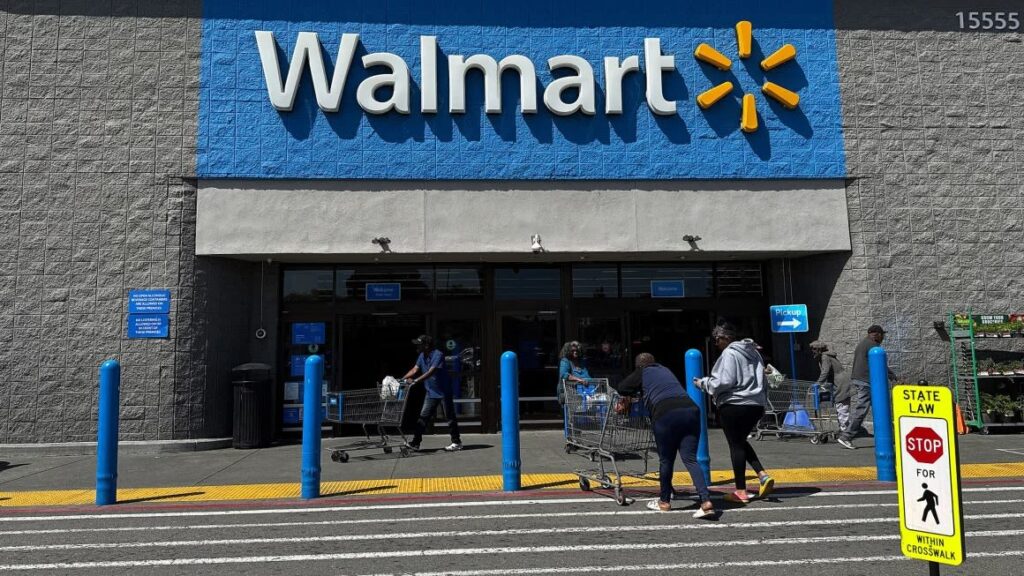
✅ Pros:
- Huge volume potential
- Immediate presence across multiple regions
- Credibility and validation for future expansion
🚫 Cons:
- High slotting fees and promotional spend expectations
- Long lead times and intense buyer scrutiny
- Operational pressure: inventory, logistics, customer service
- Little room for error—if your product underperforms, it may not get a second chance
Reality check:
Landing a national retailer doesn’t guarantee success. It guarantees exposure—and exposure without readiness can be expensive.
The Power of Independent and Regional Retailers
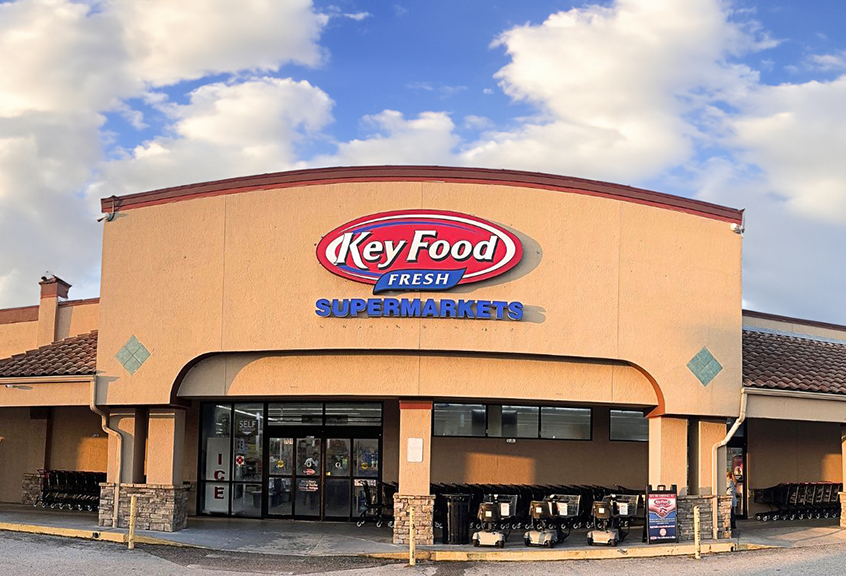
✅ Pros:
- Lower barriers to entry
- Faster listing decisions and reset windows
- Easier to test pricing, messaging, and packaging
- More flexible terms and stronger local relationships
- Proof of velocity you can later leverage with bigger buyers
🚫 Cons:
- Slower volume accumulation
- Requires more field support and store-level relationship building
- May not give you the “big name” credibility early on
But here’s the truth: independent retailers often serve as your best product incubators. They allow you to learn fast, adapt quickly, and build a story that buyers at national chains actually want to hear.
Key Questions to Ask Before Choosing Your Path
Use this checklist to evaluate your brand’s readiness:
| Question | If “No”… | Suggested Path |
|---|---|---|
| Do we have strong velocity data or regional sales performance? | Build it first | Independents |
| Can we support large-scale distribution logistically and financially? | Not yet | Independents |
| Do we have budget for trade spend, TPRs, and merchandising? | Limited | Independents |
| Do we have a broker or field team in place? | No | Independents |
| Is our packaging, pricing and messaging fully U.S.-ready? | Needs work | Independents |
| Do we already have pull from a national chain buyer? | Yes | Evaluate with caution |
If you’re answering “no” to most of these questions, national chains might still be part of your future—but they shouldn’t be your next step.
A Smarter Strategy: Win Local, Then Scale
At Group MCC, we’ve seen the most successful brands follow a pattern:
Start local → Optimize execution → Build proof → Scale strategically
They use regional and independent chains to:
- Refine their hero SKU and pricing
- Gather retail performance data
- Strengthen in-store execution
- Build retail buyer trust and credibility
Then, when it’s time to approach national chains, they don’t show up with a pitch deck—they show up with proof.
Conclusion: Don’t Just Think Big. Think Smart.
You don’t need to be everywhere. You need to be effective where you are.
National chains might look like the goal, but they’re a stage—not a starting point. Most brands are better served by focusing on velocity, learning, and execution in regional and independent retailers before chasing scale.
At Group MCC, we help brands assess their readiness, choose the right retail partners, and build market entry strategies that are not just ambitious—but achievable.
If you’re wondering whether your brand is ready for national retail—or should focus locally first—book a free strategic session with our team. Let’s define a launch path that works with your real capacity, not just your dreams.