Why Localization Beats Translation in Your U.S. Market Strategy

Most international CPG brands know they need to “adapt” before entering the U.S. market. So they translate their labels, localize their websites, maybe even run some Spanish-language ads. But for many, it’s still not enough.

Because translation is not the same as connection—and in the U.S. market, connection is everything.

With one of the most culturally diverse consumer bases in the world, the U.S. retail landscape demands more than language accuracy. It requires cultural fluency. In this article, we’ll explore what cultural relevance really means, why it matters for CPG brands, and how to build a localization strategy that goes far beyond just the label.

What most brands get wrong about localization

Many brands assume that localization = translation. They change “sabor limón” to “lime flavor,” and feel they’ve done the work. But U.S. consumers don’t buy based on literal translations—they buy based on resonance.

Here’s what that means:

  • If a brand’s identity feels foreign, confusing, or “not for me,” the shopper moves on.
  • If packaging uses color schemes or formats unfamiliar to the local category, it gets ignored.
  • If claims or benefits are lost in translation (e.g., “natural,” “artisanal,” “healthy”), trust breaks.

In short: translation tells them what it is. Cultural relevance tells them why they should care.
Cultural relevance ≠ losing authenticity

Some brand owners worry that adapting their product to the U.S. market means “watering it down” or losing its essence. But great localization doesn’t erase identity—it reframes it through a local lens.

Example:

  • A Colombian beverage brand might highlight “sin azúcar añadida” at home. In the U.S., this could be repositioned as “no added sugar, 100% plant-based hydration”—tapping into American wellness language without compromising product integrity.

Why cultural relevance matters in U.S. retail

  • Retail buyers expect it. They know their audience. They need to see that your product can speak to their shoppers—visually, emotionally, and contextually.
  • Consumers demand it. American shoppers are used to highly targeted messaging. If your brand feels like a generic import, you’ll lose to something more relatable—even if it’s less authentic.
  • Your shelf position depends on it. Brands that don’t invest in culturally resonant design or positioning often get stuck in “ethnic aisles” or underperform on shelf.

And in a market where velocity is everything, poor positioning = poor performance.

Localization in action: What to adapt (and how)

Here’s a simplified framework to evaluate your brand’s localization readiness:

ElementTranslation?Localization?
Label languageEnglish or bilingualClaims phrased in locally relevant benefit language
Package formatKeep original sizeAdjust to U.S. retail norms (e.g. single-serve, resealable)
Brand messagingLiteral slogan conversionPositioning aligned to U.S. consumer values (e.g., clean label, indulgence, functional)
Category placementBased on originBased on shopping behavior (e.g. snacks vs. global foods)
Influencer campaignsGeneric PRCreators that reflect the target demographic’s culture

The more intentional your localization strategy, the more room you create for emotional relevance—which drives trial and loyalty far more than direct translation.

Conclusion: Speak the culture, not just the language

Entering the U.S. retail market is not about erasing your identity—it’s about expressing it in a way that feels familiar and compelling to the people who shop the aisles.

At Group MCC, we help international CPG brands build retail-ready positioning that respects their origin while speaking fluently to U.S. consumers. Through our MCC Market Ready Framework, we assess how your product, messaging, and design align with cultural and commercial expectations—and help you localize with precision, not guesswork.

If you’re preparing to launch in the U.S., let’s talk. Book a free strategy session and we’ll help you make sure your product doesn’t just arrive—it connects.


How to Protect Your U.S. Launch from Channel Conflict

When a new brand enters the U.S. market, its team is often focused on the exciting parts: finding buyers, launching on Amazon, or getting that first distributor. But very few take the time to ask:

“Will our channels compete—or work together?”

Channel conflict is one of the most overlooked—and most damaging—mistakes a CPG brand can make when launching in the U.S. market. It can derail your pricing strategy, strain relationships with brokers and retailers, and create long-term damage that’s difficult to recover from.

This article explains what channel conflict looks like, why it happens, and how to build a launch strategy that protects your brand’s growth from day one.

What is channel conflict?

Channel conflict happens when different parts of your sales ecosystem undermine each other—often unintentionally. Instead of reinforcing your presence, they compete for the same customers or send mixed signals to the market.

Common examples:

  • Your DTC store offers discounts that undercut your retail pricing
  • Amazon resellers list your product below MSRP, upsetting buyers at brick-and-mortar chains
  • A distributor pushes you into stores while your marketing focuses only on e-commerce
  • Independent retailers stop ordering because you’re too visible in club or mass retail without channel control

In all of these cases, the brand becomes the problem—not the product.

Why channel conflict is so dangerous during launch

  • Retail buyers lose trust if they feel your pricing isn’t protected
  • Distributors lose motivation if they see your direct or digital channels eating into their volume
  • Your brand perception weakens, especially when shoppers see inconsistent prices or availability
  • You burn bridges before you’ve even scaled

And the worst part? Most of this damage is preventable.

The 3 types of channel conflict to watch out for

1. Pricing conflict

When the same SKU is sold at significantly different price points across channels.

How to prevent it:

  • Create a MAP policy (minimum advertised price) and enforce it
  • Align MSRP across all platforms, including DTC, retail, and Amazon
  • Control discounting windows to avoid overlapping promos across channels

2. Territorial conflict

When two parties (e.g., a distributor and a DTC campaign) target the same region, leading to friction.

How to prevent it:

  • Define geographic responsibilities with partners
  • Avoid running national campaigns if your retail footprint is still regional
  • Use geo-targeted ads to support specific retail partners

3. Brand message conflict

When your online positioning doesn’t match how your product is sold in-store (e.g., wellness messaging online, indulgent impulse in-store).

How to prevent it:

  • Ensure your storyline is consistent across channels
  • Train your field team and brokers to reinforce the same benefits
  • Make sure packaging, content, and POS materials tell the same story

What most brands ignore—but shouldn’t

Most brands entering the U.S. don’t have a clear channel strategy. They say “yes” to anyone who wants to carry the product. They launch on Amazon, open their own DTC store, and pitch to wholesalers—all at once.

What they miss is this:

Every new channel you open is not just a sales opportunity—it’s a responsibility.

Without strategic coordination, channels compete. With the right plan, they reinforce each other.

How to build a conflict-proof channel plan

Here’s a simple framework:

StepWhat to do
1. Define your primary growth channelRetail? DTC? Amazon? Don’t spread too thin. Start focused.
2. Set your pricing guardrailsEstablish MAP, MSRP, wholesale, and promo ranges. Communicate them to all partners.
3. Stage your rolloutDon’t launch everywhere at once. Sequence channels based on readiness and resources.
4. Support channels fairlyIf a retailer lists you, drive traffic to them. If you sell direct, do it without undercutting.
5. Monitor and adaptUse scan data, digital analytics, and partner feedback to spot friction early and adjust.

Conclusion: Channel strategy is not optional—it’s part of going to market

The U.S. market rewards brands that know how to grow with structure. If your channels aren’t aligned, your brand’s reputation suffers—even if the product is great.

At Group MCC, we help international brands enter the U.S. with clarity, not chaos. Through our MCC Market Ready Framework, we evaluate your commercial structure, price architecture, and go-to-market plan to prevent conflict before it starts.

If you’re planning a U.S. launch—or already seeing signs of friction—book a free strategy session. We’ll help you align your channels, protect your brand, and build a launch plan that scales cleanly.

Independent vs. National Retail: How Emerging CPG Brands Should Enter the U.S. Market

For many emerging CPG brands, entering the U.S. retail market comes with one burning question:

“Should we go big and pitch national chains—or start small with independents?”

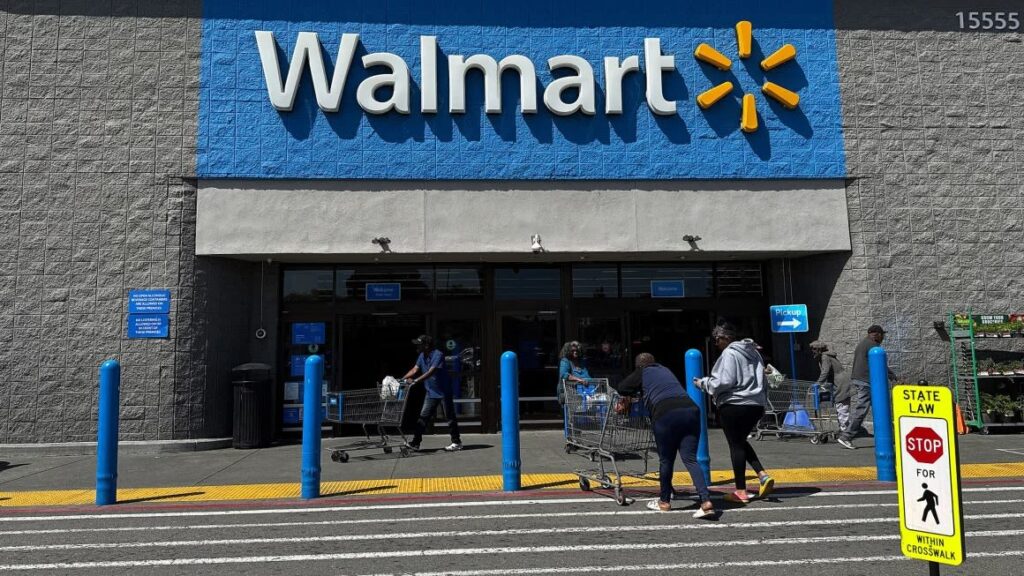
On paper, national chains seem like the dream: instant reach, prestige, and scaled volume. But in practice, chasing them too early can cost you money, momentum, and credibility—especially if your brand isn’t truly ready.

In this guide, we break down the key factors that should influence your decision—and why sometimes, starting smaller leads to faster growth.

The Allure (and Risk) of National Chains

✅ Pros:

  • Huge volume potential
  • Immediate presence across multiple regions
  • Credibility and validation for future expansion

🚫 Cons:

  • High slotting fees and promotional spend expectations
  • Long lead times and intense buyer scrutiny
  • Operational pressure: inventory, logistics, customer service
  • Little room for error—if your product underperforms, it may not get a second chance

Reality check:
Landing a national retailer doesn’t guarantee success. It guarantees exposure—and exposure without readiness can be expensive.

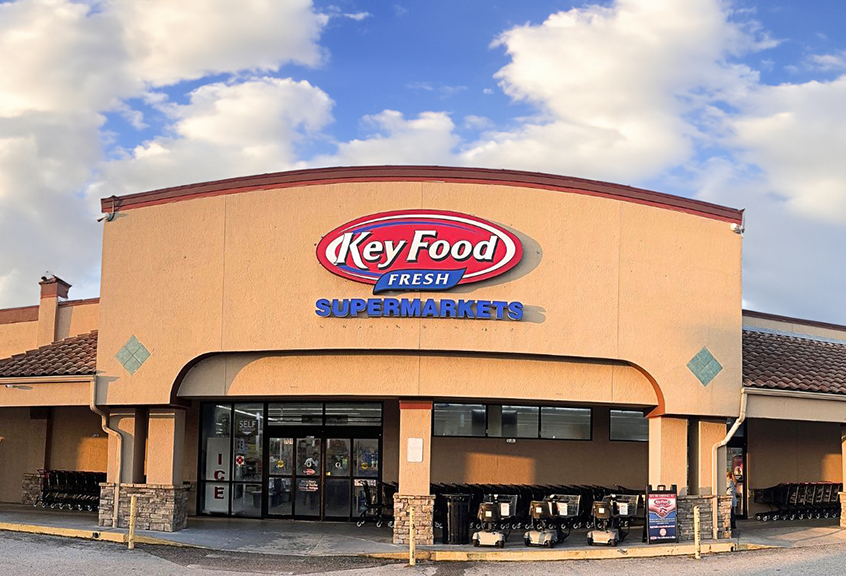
The Power of Independent and Regional Retailers

✅ Pros:

  • Lower barriers to entry
  • Faster listing decisions and reset windows
  • Easier to test pricing, messaging, and packaging
  • More flexible terms and stronger local relationships
  • Proof of velocity you can later leverage with bigger buyers

🚫 Cons:

  • Slower volume accumulation
  • Requires more field support and store-level relationship building
  • May not give you the “big name” credibility early on

But here’s the truth: independent retailers often serve as your best product incubators. They allow you to learn fast, adapt quickly, and build a story that buyers at national chains actually want to hear.

Key Questions to Ask Before Choosing Your Path

Use this checklist to evaluate your brand’s readiness:

QuestionIf “No”…Suggested Path
Do we have strong velocity data or regional sales performance?Build it firstIndependents
Can we support large-scale distribution logistically and financially?Not yetIndependents
Do we have budget for trade spend, TPRs, and merchandising?LimitedIndependents
Do we have a broker or field team in place?NoIndependents
Is our packaging, pricing and messaging fully U.S.-ready?Needs workIndependents
Do we already have pull from a national chain buyer?YesEvaluate with caution

If you’re answering “no” to most of these questions, national chains might still be part of your future—but they shouldn’t be your next step.

A Smarter Strategy: Win Local, Then Scale

At Group MCC, we’ve seen the most successful brands follow a pattern:
Start local → Optimize execution → Build proof → Scale strategically

They use regional and independent chains to:

  • Refine their hero SKU and pricing
  • Gather retail performance data
  • Strengthen in-store execution
  • Build retail buyer trust and credibility

Then, when it’s time to approach national chains, they don’t show up with a pitch deck—they show up with proof.

Conclusion: Don’t Just Think Big. Think Smart.

You don’t need to be everywhere. You need to be effective where you are.

National chains might look like the goal, but they’re a stage—not a starting point. Most brands are better served by focusing on velocity, learning, and execution in regional and independent retailers before chasing scale.

At Group MCC, we help brands assess their readiness, choose the right retail partners, and build market entry strategies that are not just ambitious—but achievable.

If you’re wondering whether your brand is ready for national retail—or should focus locally first—book a free strategic session with our team. Let’s define a launch path that works with your real capacity, not just your dreams.